GYDZH Blogs

Contact Us
Services
Blogs
Blog

Acrylic Material Types: A Complete Guide to PMMA Properties, Manufacturing & Machining

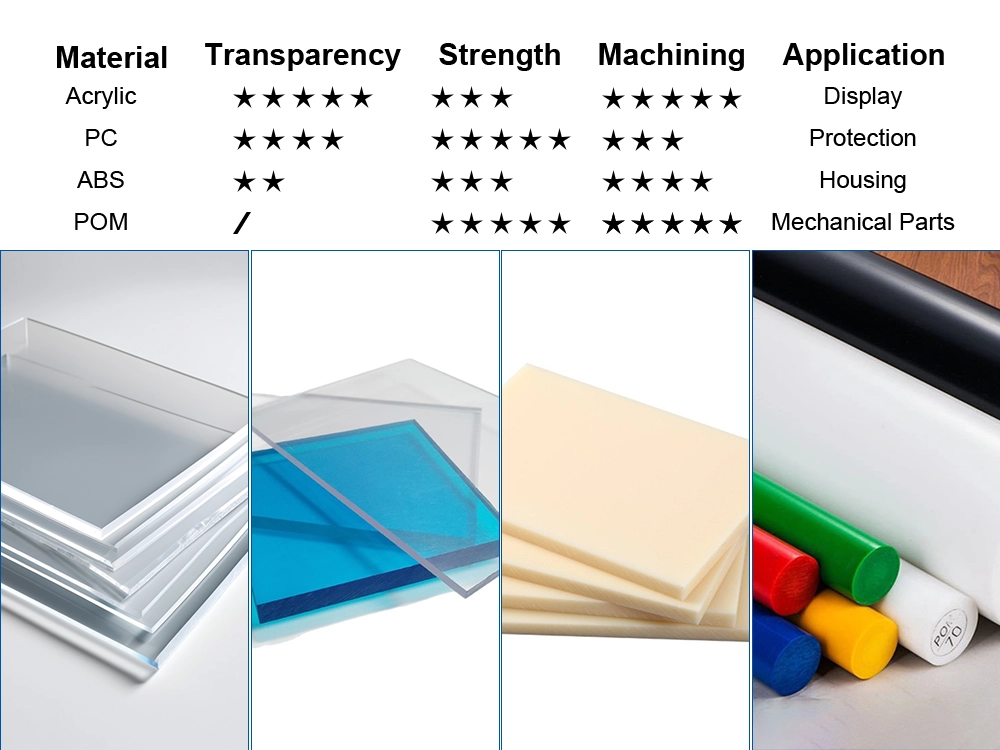
What Is Acrylic (PMMA)? Acrylic is a transparent thermoplastic material made from polymethyl methacrylate (PMMA), a polymer produced through the chemical conversion of methyl methacrylate (MMA) monomers. It is widely used as an engineering plastic when projects require glass-like transparency, lightweight construction, weather resistance, and precise fabrication capabilities. Unlike general-purpose plastics that are mainly selected for […]

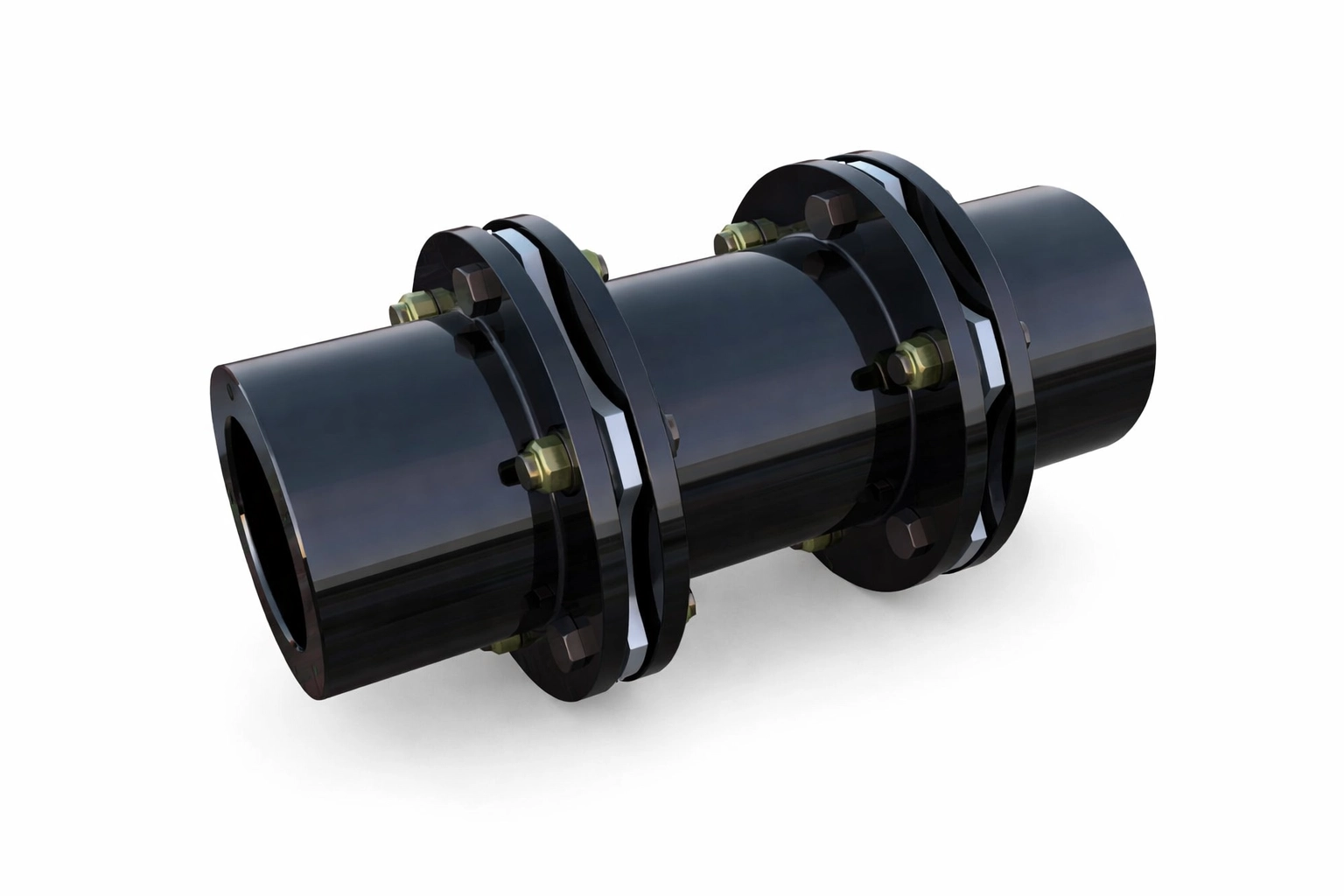
Types of Flexible Couplings: Complete Guide 2026

Flexible couplings are mechanical connectors that join two rotating shafts while tolerating misalignment, absorbing shock/vibration, and transmitting torque with controlled flexibility. In this guide, you’ll learn the 7 most common types of flexible couplings (jaw, disc, gear, grid, elastomeric, Oldham, beam), their pros/cons, a high-signal comparison table, a 5-step selection workflow, plus how Chiheng Hardware CNC-machines custom hubs/spiders/flanges/disc packs for OEM and replacement needs. Wrong coupling selection is a top cause of bearing failure, seal leakage, shaft fatigue, overheating, and unexpected downtime—so use this page as a practical selection reference.

What Is Brass Made of? Composition, Alloys & Properties Explained

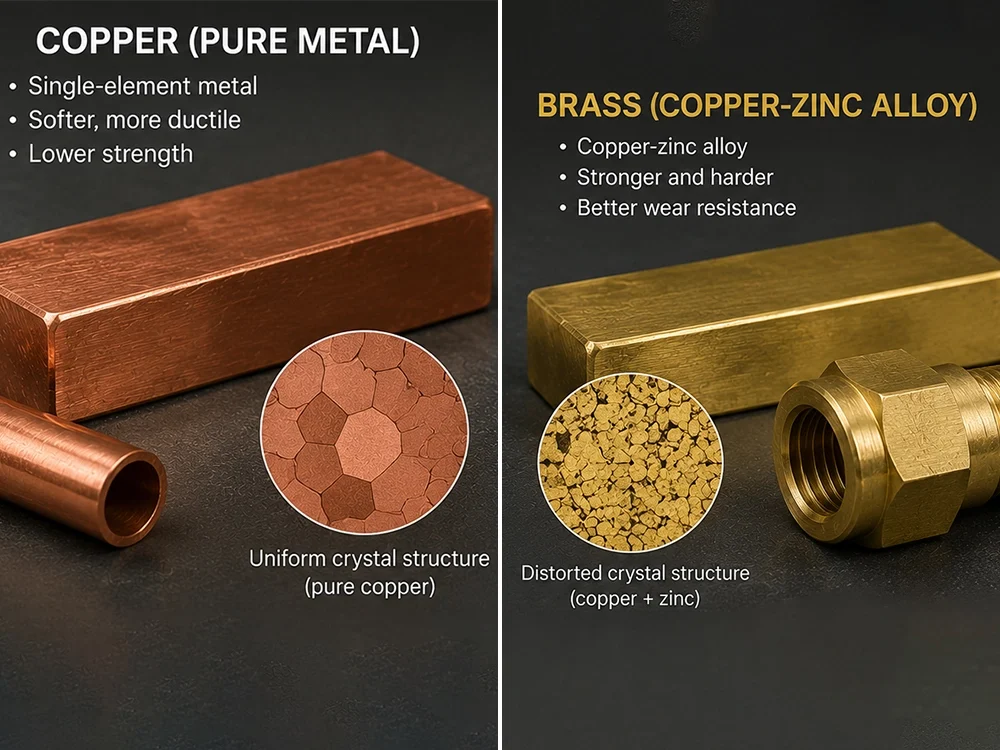
Brass is a copper-zinc alloy made primarily from 60–70% copper and 30–40% zinc, although the exact composition varies depending on the alloy grade and intended application. Unlike pure copper, brass combines the properties of two metals to achieve higher strength, better machinability, improved corrosion resistance, and a distinctive golden appearance. Because brass contains no iron, it cannot rust like carbon steel. Instead, it may gradually develop a thin surface tarnish over time, while the underlying metal remains structurally stable in most environments. This combination of durability, workability, and corrosion resistance makes brass one of the world’s most widely used engineering materials for plumbing fittings, valves, electrical connectors, precision machined components, heat exchangers, and decorative hardware. The most common brass alloys include C260 (Cartridge Brass) for cold forming, C360 (Free-Cutting Brass) for CNC machining, C464 (Naval Brass) for marine applications, and lead-free brass alloys designed for potable water systems that comply with modern environmental regulations. In short, brass is not a pure metal but an engineered alloy whose composition can be adjusted to balance strength, corrosion resistance, electrical conductivity, appearance, and manufacturing cost for different industrial applications.
Is Brass Rust Resistant? Tarnishing, Corrosion & Durability Guide

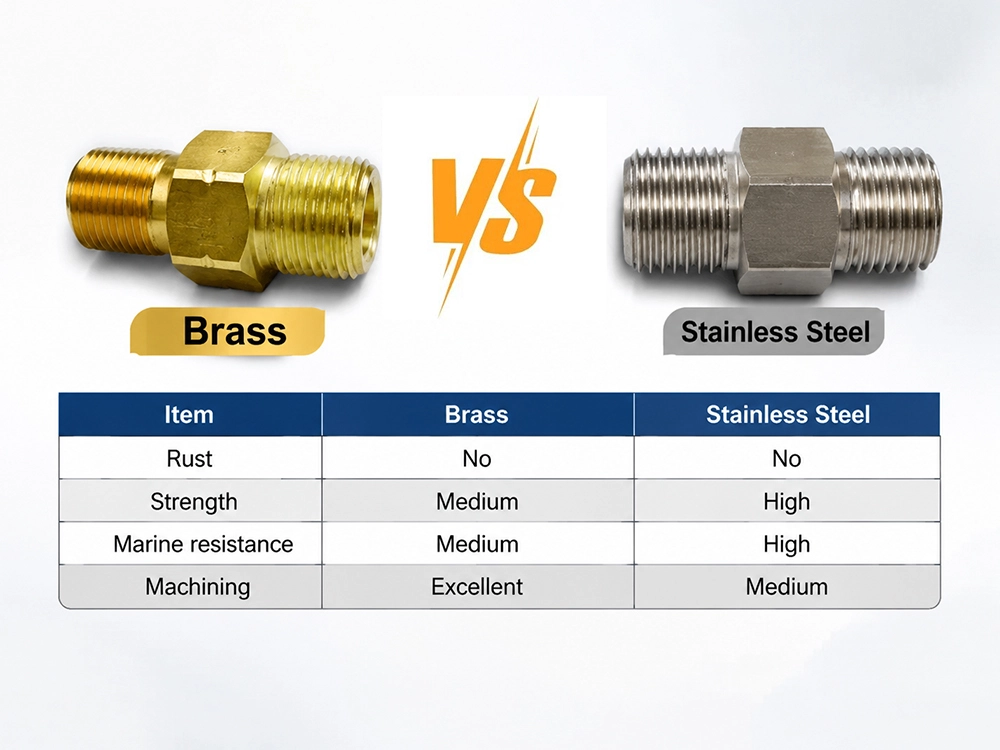
No, brass does not rust. Brass is rust resistant because it contains no iron, and rust is a form of iron oxide that only develops when iron or steel reacts with oxygen and moisture. Since brass is an alloy made primarily of copper and zinc, it cannot produce traditional rust like carbon steel. However, brass is not completely corrosion-proof. Although brass does not rust, it can undergo other surface changes, including tarnishing, oxidation, and patina formation. These processes are different from rust. Brass tarnish usually appears as darkening, dulling, or a brownish surface layer, while outdoor brass may gradually develop a green patina caused by copper compounds reacting with moisture and carbon dioxide. The key difference is that rust weakens iron-based metals by continuously damaging the underlying material, while brass tarnish is typically a surface-level reaction that does not indicate structural failure. This is why brass fittings, hardware, and decorative components can remain functional for decades even after their appearance changes. However, under certain conditions, brass can experience a specific corrosion problem called dezincification. In aggressive water environments, especially those involving high chloride levels or unsuitable brass alloys, zinc may selectively dissolve from the material, leaving behind a weakened copper-rich structure. Therefore, the correct answer to “Is brass rust resistant?” is: Yes, brass is naturally resistant to rust because it contains no iron, but it can still corrode through processes such as tarnishing and dezincification depending on the environment and alloy composition.

How Surface Finishing Affects CNC Machining Tolerances

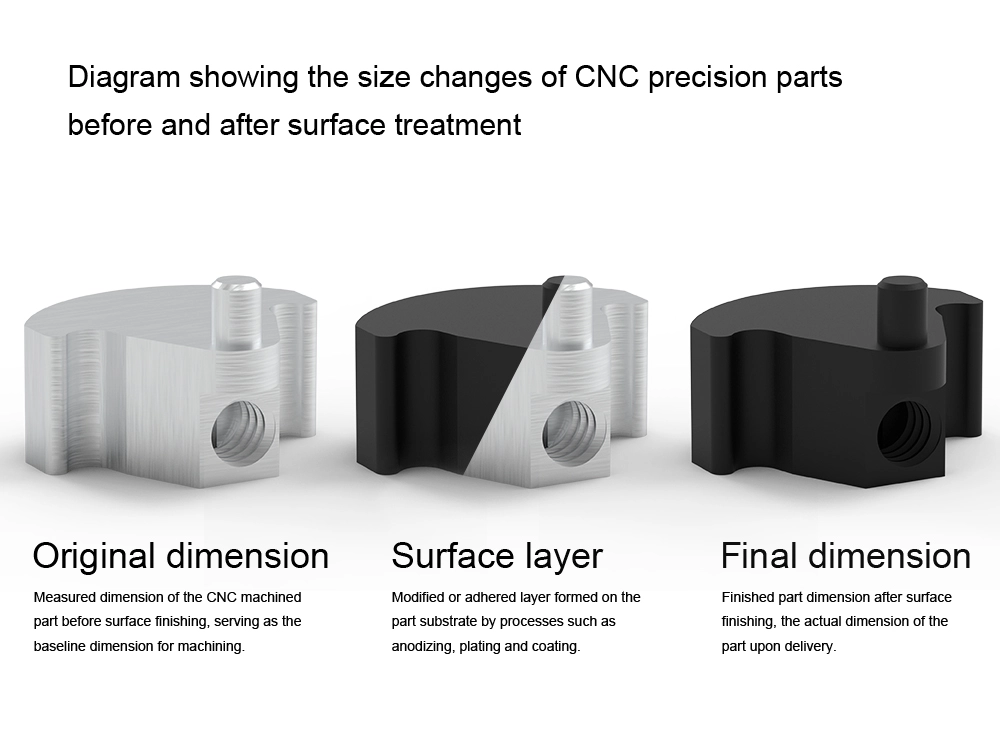
Yes, surface finishing can affect the final dimensions and tolerances of CNC machined parts. Plating and coating add material, while polishing and abrasive finishing remove material. The amount of change depends on the process, coating thickness, part geometry, and the location of critical features.

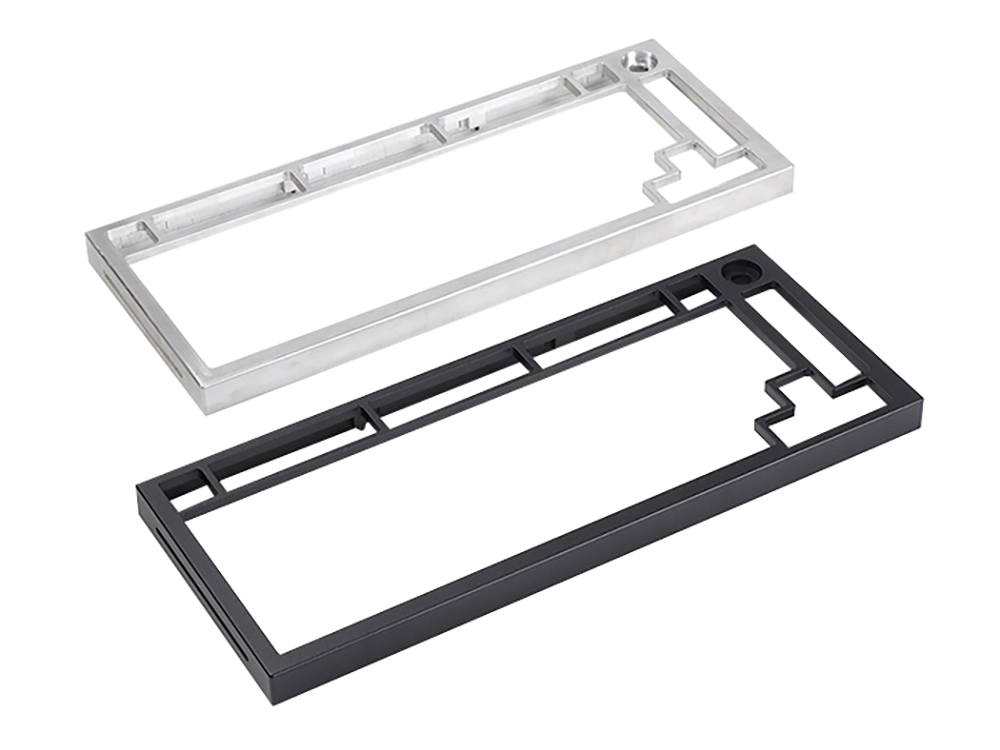
What Is Blackening Coating and How Does It Protect Precision Steel Parts

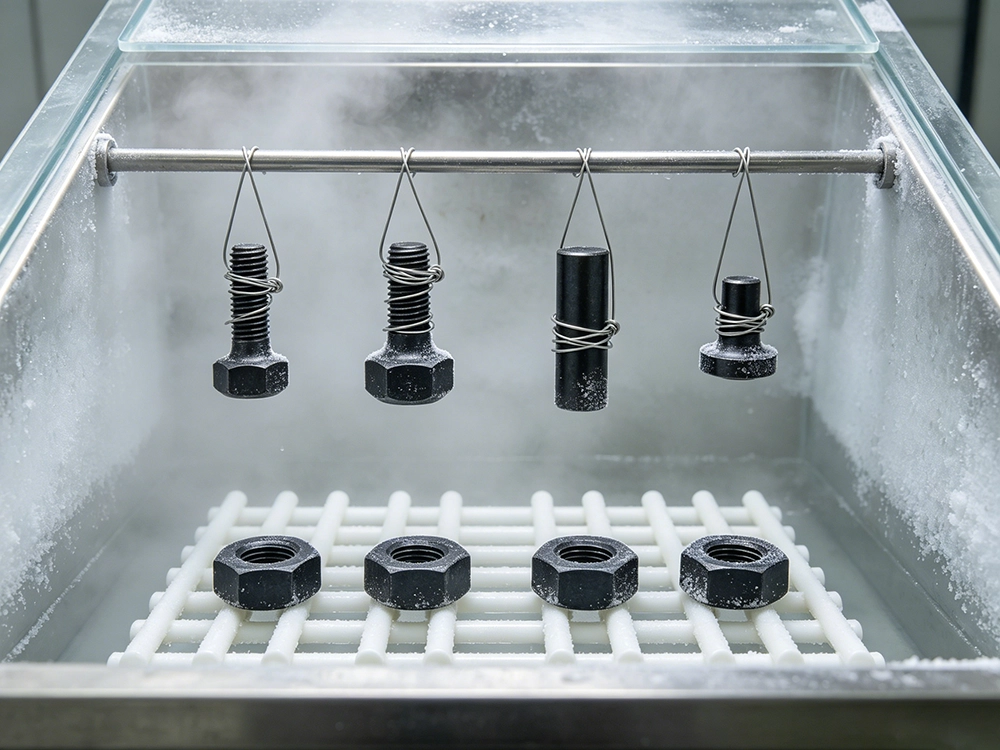
Blackening coating, also known as black oxide coating, is a chemical conversion process that forms a thin black oxide layer on carbon steel and low-alloy steel parts. Unlike deposited coatings that add a separate material layer onto the surface, black oxide converts the steel surface itself into a protective oxide film, resulting in minimal dimensional change. For precision components such as turned fasteners, locating pins, and spring clips, maintaining thread accuracy and mating surface fit is critical. Because black oxide creates an extremely thin conversion layer, it is commonly selected for steel parts where a uniform black appearance, surface consistency, and tight dimensional control are required.

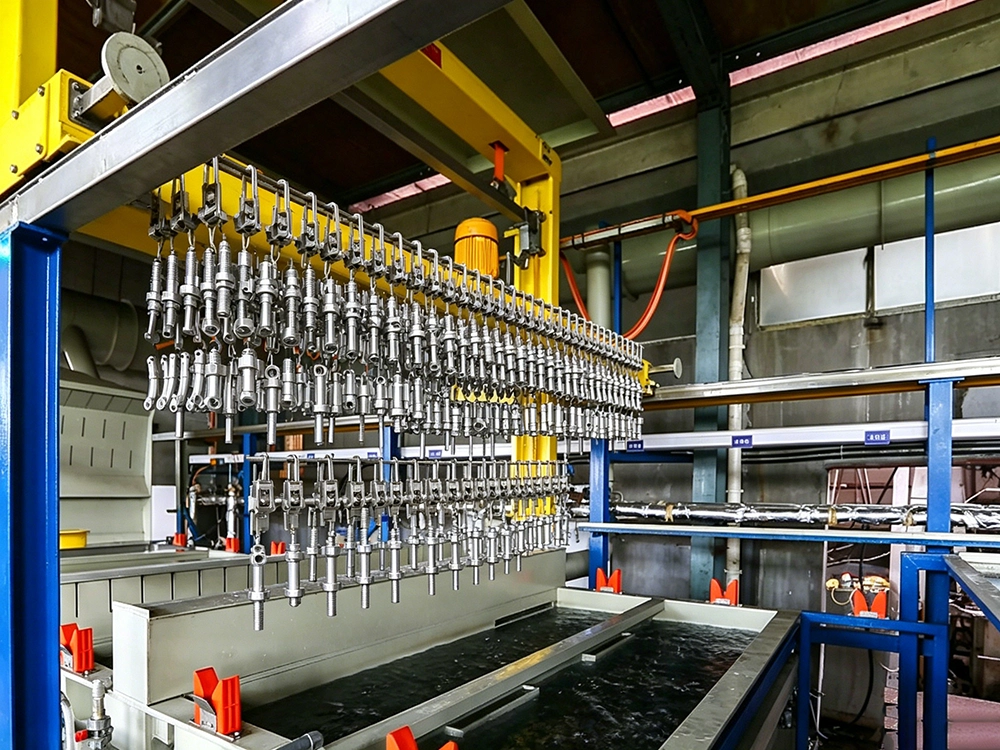
How to Anodize Aluminum: Process, Types, and What to Specify Before Ordering

Anodizing aluminum is an electrochemical surface treatment process that converts the outer surface of aluminum parts into a controlled aluminum oxide (Al₂O₃) layer. Unlike applied coatings that add a separate material layer, anodizing transforms the aluminum substrate itself to create a durable surface with improved corrosion resistance, wear performance, and appearance. In industrial manufacturing, the anodizing process typically includes surface preparation, controlled oxidation, optional coloring, and sealing to achieve consistent results for CNC-machined aluminum components.

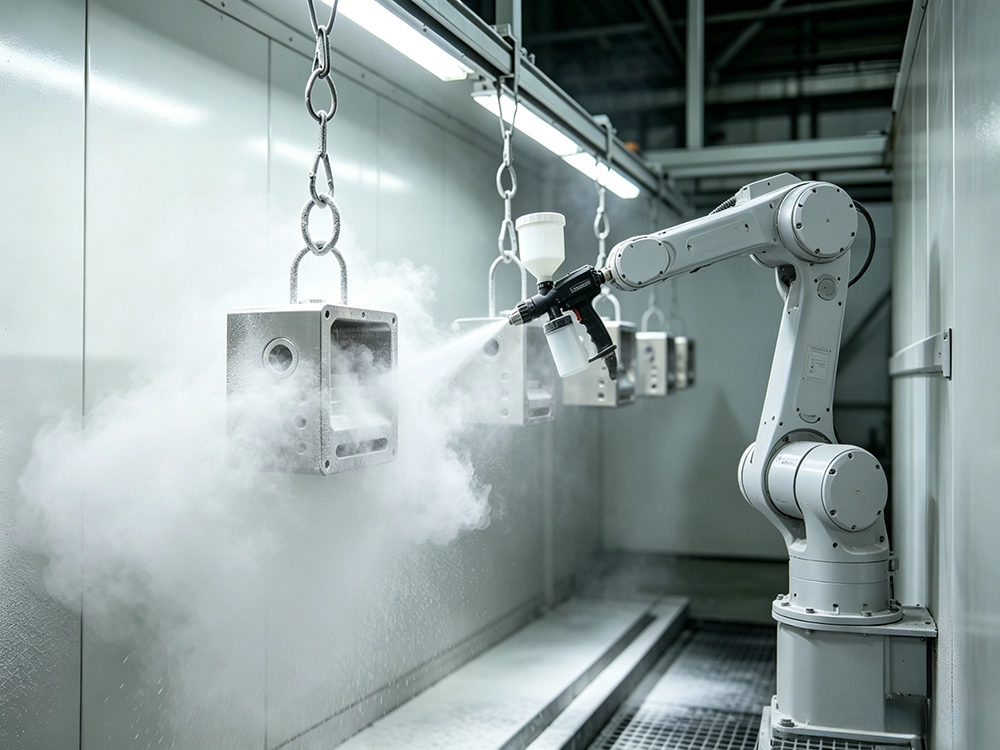
How does powder coating work

When industrial components face aggressive chemical exposure or severe mechanical wear, engineers rely on powder coating—a dry finishing process that utilizes electrostatic adhesion to apply free-flowing powder, which is then thermally cured to form a highly durable, cross-linked protective layer. Unlike traditional liquid paints that suffer from VOC emissions, dripping, and uneven coverage, this method ensures a uniform, chip-resistant finish even on complex geometries. Whether you need a resilient powder coat for automotive chassis, a weatherproof powder coated surface for architectural aluminum, or heavy-duty powdercoating for industrial machinery, this technology solves critical design bottlenecks related to corrosion, metal fatigue, and premature part failure. 【Key Takeaways】 Core Mechanism: Relies on electrostatic charge to bond dry powder to metal substrates, followed by a thermal baking process that triggers chemical cross-linking for maximum adhesion. Engineering Advantages: Delivers superior resistance to corrosion, impact, chemicals, and UV degradation compared to conventional wet paint, drastically extending the lifespan of parts in harsh environments. Eco-Friendly & Cost-Effective: Operates as a near-zero VOC process that allows for overspray recovery, making it a highly compliant and economical surface treatment solution for large-scale B2B manufacturing.

Custom Your Parts Now!

Stop thinking more, fill out the blank below, and send us an inquiry, and you will have a professional team of board game custom products contact you to answer any questions and provide pricing.